

What is Trauma?
Trauma is not just about what happened to you. It is about how your nervous system responded to experiences that felt overwhelming, frightening, or unsafe, and how those responses may still be shaping your life today.
In Australia, experiences linked to post-traumatic stress are more common than many people realise. Around 5–10% of the population may meet criteria for PTSD at some point, and many more people live with the impacts of trauma without recognising it. These responses can show up quietly and remain undiagnosed for years.
-
Somatic and polyvagal-informed therapy works with the body and nervous system, not just thoughts or memories. Rather than forcing you to relive the past, therapy focuses on building safety in the present moment. Over time, this supports greater regulation, connection, choice, and a felt sense of ease in your body.
Building Resilience: Strengthening your ability to face future challenges.
-
When an experience exceeds your capacity to cope, your nervous system adapts through protective responses such as fight, flight, freeze, or shutdown. These responses are automatic and biological. They are not signs of weakness or failure, but intelligent survival strategies.
From a polyvagal perspective, trauma occurs when the nervous system remains organised around threat even after danger has passed. This can affect emotions, physical sensations, relationships, concentration, sleep, and your sense of self.
-
Trauma can develop from:
A single event (accident, assault, medical trauma)
Ongoing experiences (neglect, emotional abuse, chronic stress)
Systemic and social harm (racism, discrimination, marginalisation)
Generational and intergenerational trauma passed through families and communities
This includes the ongoing impacts of colonisation and systemic injustice, particularly for Aboriginal and Torres Strait Islander communities and all others Indigenous First Nations Communities - All who have been impacted by intersectional and generational and intergenerational trauma.
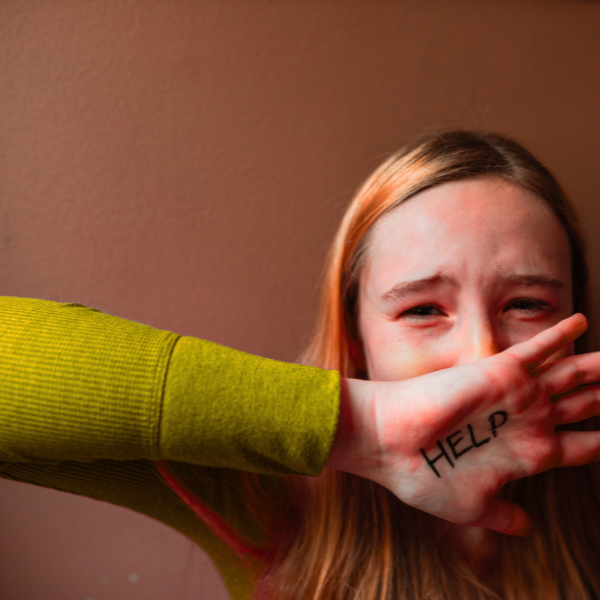
Fear and Anxiety: Your Body's Natural Responses and Reactions
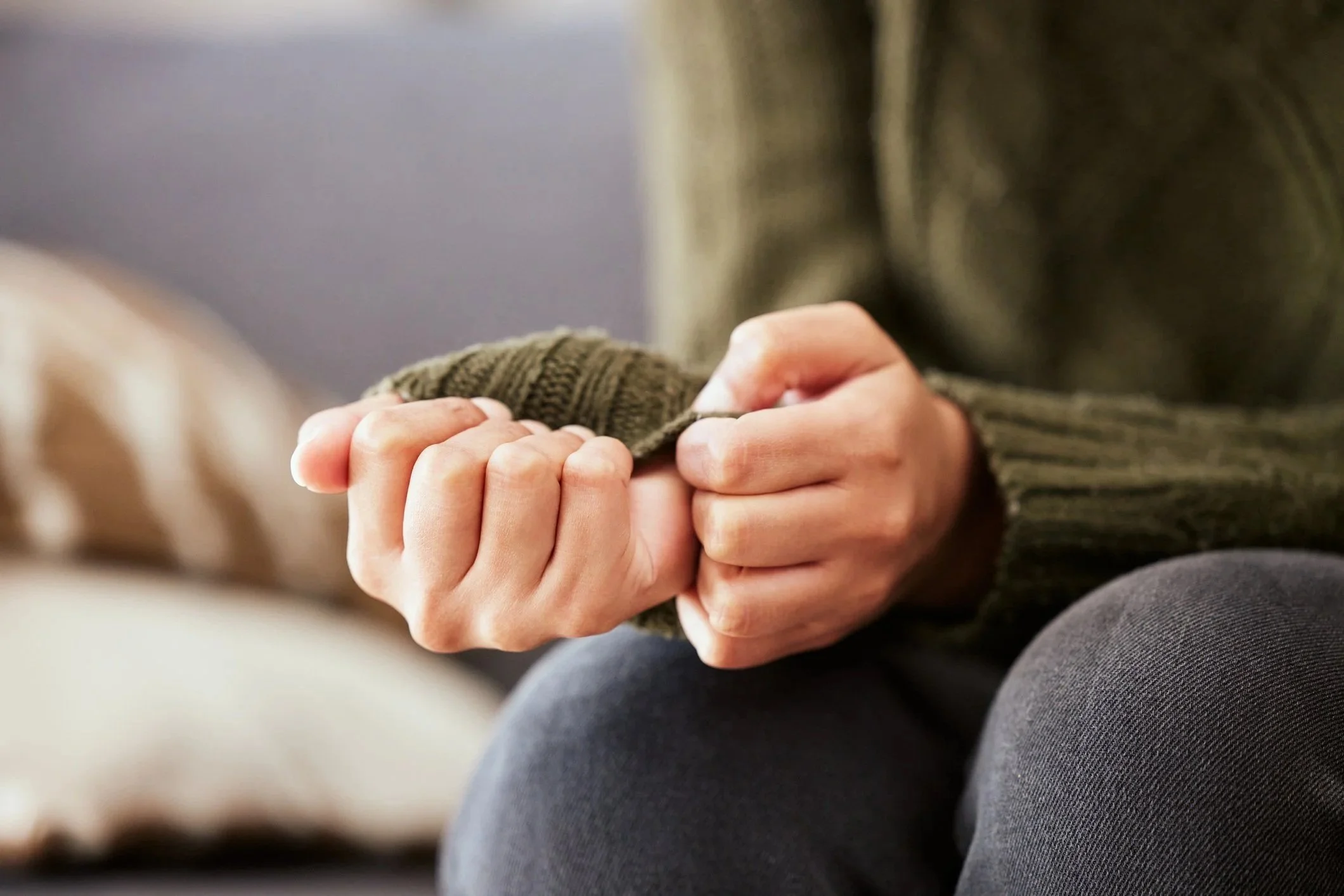
Fear and anxiety are natural, protective mechanisms designed to keep us safe. They activate our body's nervous system to respond to threats, whether real or perceived. While fear often arises from immediate danger, anxiety tends to be about anticipating future threats. Both are deeply connected to our nervous system and its regulation.
While fear and anxiety are normal, you might need support if they:
Interfere with daily life: Avoiding places, people, or activities.
Persist long-term: Constant worry or tension that doesn’t go away.
Manifest physically: Chronic headaches, stomach issues, or fatigue without a medical explanation.
Impact relationships: Difficulty connecting with others due to fear or irritability.
Trigger past trauma: Flashbacks, nightmares, or disproportionate reactions to certain triggers.
-
Re-regulate your nervous system: Using techniques like mindfulness, grounding, and breathwork to activate your ventral vagal system.
Understand your triggers: Learning what activates your fear and anxiety.
Reprocess stored emotions: Addressing unresolved trauma or stuck emotions in a safe, supportive environment.
Build resilience: Developing tools to manage fear and anxiety effectively.

How your body can respond?
They can be seen as a natural response and a form of protection…
Fear and anxiety are natural, protective mechanisms designed to keep us safe. They activate our body’s nervous system to respond to threats, whether real or perceived. While fear often arises from immediate danger, anxiety tends to be about anticipating future threats. Both are deeply connected to our nervous system and its regulation.
Fear and anxiety are processed by the autonomic nervous system, particularly through two key pathways outlined in Polyvagal Theory (Porges, 1994)
Sympathetic Nervous System (“Fight or Flight”)
When faced with danger, your body may prepare to fight the threat or flee from it. This is experienced as a surge in adrenaline, increased heart rate, rapid breathing, sweating, or even trembling.Dorsal Vagal (“Freeze or Shut Down”)
In overwhelming or inescapable situations, your body might switch to a freeze response, leading to numbness, dissociation, or a feeling of being “stuck” or paralysed.
However, when you’re safe and regulated, your ventral vagal system activates. This part of the parasympathetic system fosters connection, calmness, and a sense of safety. It’s the state where we can think clearly, connect with others, and feel in control.
-
While they share similarities,
Fear can be described as typically an immediate reaction to danger (like encountering a vicious animal in the wild).
While anxiety is a prolonged anticipation of what could go wrong (like worrying about snakes during a hike).
Both responses, however, use the same circuits in the body and can feel similar.
-
When fear or anxiety is unresolved, it can become "stuck" in the body, manifesting as chronic tension, pain, or other physical symptoms. This could possibly lead to:
Hypervigilance (always on alert).
Difficulty relaxing or feeling safe.
Emotional overwhelm or numbness.
Trauma can interfere with your body's natural ability to regulate emotions. It may leave you stuck in a prolonged state of either sympathetic dominance (associated with fight or flight responses) or dorsal vagal dominance (linked to freeze or shutdown responses). This disruption can make it difficult for you to feel calm, safe, and connected to yourself and others.